
Cataracts are one of the leading causes of vision impairment globally, particularly among adults over 50. While the condition is common, many people are unaware of how modern cataract surgery can dramatically improve vision and overall quality of life. This guide will cover everything you need to know about cataract surgery, from causes and symptoms to advanced surgical techniques and recovery.
What Are Cataracts?
A cataract is a clouding of the natural lens in your eye, which lies behind the iris and pupil. The lens focuses light onto the retina, enabling clear vision. When a cataract develops, the lens becomes opaque, causing blurred, dim, or cloudy vision. Cataracts usually develop gradually and can affect one or both eyes.
Common causes include:
-
Aging (most common cause)
-
Diabetes
-
Eye injuries or inflammation
-
Long-term exposure to sunlight
-
Certain medications, like steroids
-
Genetic predisposition
What Are the Symptoms of Cataracts?
Recognizing the early signs of cataracts is crucial. Common symptoms include:
-
Cloudy or blurred vision
-
Difficulty seeing at night or in low light
-
Sensitivity to bright lights and glare
-
Halos around lights
-
Frequent changes in eyeglass prescription
-
Faded or yellowed colors
If you experience any of these symptoms, it’s important to consult an experienced cataract specialist for evaluation.
When Is Cataract Surgery Needed?
Not all cataracts require immediate surgery. In the early stages, vision can often be managed with stronger glasses or magnifying lenses. Surgery is recommended when cataracts begin to interfere with daily life, such as reading, driving, or performing work tasks.
What Happens During Cataract Surgery?
Cataract surgery is one of the most commonly performed and safest procedures in modern medicine. The main goal is to remove the cloudy lens and replace it with a clear artificial lens called an intraocular lens (IOL).
Types of Cataract Surgery:
-
Phacoemulsification (Phaco):
-
The most common procedure
-
Uses ultrasound waves to break the lens into tiny pieces
-
Lens fragments are gently removed and replaced with an IOL
-
Minimally invasive with small incision and fast recovery
-
-
Laser-Assisted Cataract Surgery:
-
Uses advanced femtosecond lasers for precise incisions
-
Helps in accurate lens removal and placement of premium IOLs
-
Reduces surgical risk and improves visual outcomes
-
-
Premium IOL Implants:
-
Multifocal lenses allow for near, intermediate, and distance vision
-
Toric lenses correct astigmatism
-
Can reduce or eliminate the need for glasses after surgery
-
Benefits of Cataract Surgery
-
Improved Vision: Clear and sharper vision with restored color perception
-
Enhanced Lifestyle: Ability to read, drive, and enjoy daily activities
-
Safety: Reduced risk of falls or accidents caused by poor vision
-
Quick Recovery: Most patients resume normal activities within 1–2 days
-
Long-Term Results: Modern IOLs can last a lifetime without replacement
What to Expect Before Surgery
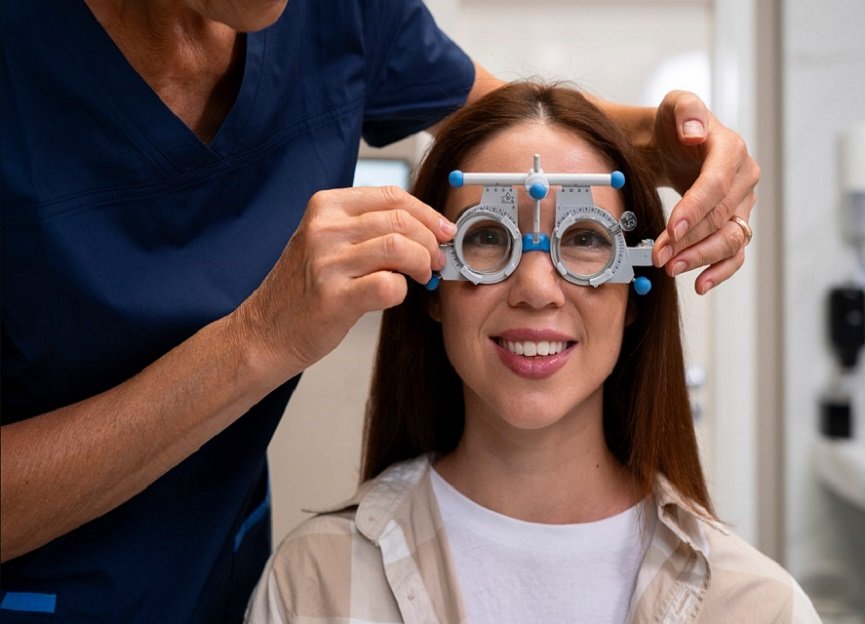
Before surgery, a thorough eye examination is conducted to determine the type and severity of the cataract. Your surgeon will discuss your lifestyle, vision goals, and the most suitable IOL type. Preoperative measurements ensure that the lens implant provides the best possible visual outcome.
What Happens During Surgery
-
The procedure is usually performed under local anesthesia
-
A small incision is made in the cornea
-
The cloudy lens is broken up and removed
-
An artificial lens (IOL) is inserted
-
The procedure usually takes 20–30 minutes per eye
Recovery After Cataract Surgery
-
Vision may be blurry for a few hours but usually improves within a day
-
Eye drops are prescribed to prevent infection and reduce inflammation
-
Avoid rubbing the eyes or heavy lifting for at least a week
-
Regular follow-up appointments ensure proper healing
Risks and Complications
While cataract surgery is generally very safe, potential risks include:
-
Infection or inflammation
-
Minor swelling or redness
-
Temporary sensitivity to light
-
Rare complications such as retinal detachment or lens displacement
Who Is a Good Candidate for Cataract Surgery?
Cataract surgery is suitable for adults experiencing visual impairment due to cataracts. Certain medical conditions like uncontrolled diabetes, severe eye infections, or retinal diseases may require special evaluation before surgery.
Frequently Asked Questions (FAQs)
1. How long does cataract surgery take?
Most surgeries take 20–30 minutes, with minimal discomfort and same-day discharge.2. Will I need glasses after surgery?
Many patients experience significant improvement in vision, especially with premium IOLs. Some may still need glasses for reading or fine tasks.3. Is cataract surgery painful?
No, the procedure is virtually painless. Local anesthesia and mild sedation are used for patient comfort.4. How soon can I return to daily activities?
Light activities can usually resume the next day, while heavy lifting or strenuous work should be avoided for about a week.5. Are cataracts preventable?
While aging is a primary cause, protecting eyes from UV light, maintaining a healthy diet, controlling diabetes, and regular eye check-ups can slow progression.Conclusion
Cataracts may affect millions worldwide, but modern surgical techniques have made treatment safer, faster, and more effective than ever. By consulting an experienced eye specialist, you can restore clear vision, enhance your quality of life, and regain independence.
With expert care, advanced surgical technology, and personalized treatment, cataract surgery can truly be life-changing. For those seeking trusted, professional care, AIY Eye Care provides expert cataract treatment and guidance to help patients see the world clearly again. If you or a loved one is experiencing vision problems, scheduling a consultation with AIY Eye Care is the first step toward brighter, clearer vision.
Read More
✅ Latest Technologies in LASIK Surgery: What’s Available in Indirapuram Ghaziabad?
✅ Selecting the Right LASIK Surgeon in Vasundhara Ghaziabad
✅ Signs You Need Cataract Surgery: When to See a Motiyabind Specialist in Vaishali Ghaziabad
✅ How to Choose the Best Eye Specialist in Indirapuram
✅ Everything You Need to Know About AIY Eye Care
✅ What is the Difference between Phaco and Laser Cataract Surgery?
✅ Best Refractive Surgery in Indirapuram Ghaziabad: Is Laser Eye Surgery 100% Safe?
✅ Refractive Eye Surgery: What is the Most Common Refractive Surgery?
✅ IOL Surgery: What is an IOL Surgery?
✅ Best Motiyabind Operation Clinic in Ghaziabad: What is the Cost of Motiyabind Operation?
✅ Best Lasik Surgery in Ghaziabad: Which Type of LASIK Surgery is the Best?