
Laser eye surgery has transformed the lives of millions, giving them clear, spectacle-free vision within minutes. Among all vision correction procedures, LASIK (Laser-Assisted In-Situ Keratomileusis) remains the most popular due to its precision, comfort, and quick recovery.
But an important truth often gets overlooked:
LASIK is not suitable for everyone.
At AIY Eye Care, Ghaziabad, one of the leading centres for advanced eye surgery, surgeons always ensure that only the right candidates undergo LASIK. Your eye health and long-term vision safety matter more than anything else.
In this detailed blog, you’ll learn:
-
What LASIK is and how it works
-
Benefits of LASIK eye surgery
-
Who should NOT get LASIK
-
Medical and lifestyle factors that disqualify patients
-
Safer alternatives if LASIK isn’t right for you
-
Why choose AIY Eye Care in Ghaziabad
Let’s begin.
What Exactly Is LASIK Eye Surgery?
LASIK is an advanced laser-based procedure that reshapes the cornea (the clear front part of the eye) to correct refractive errors such as:
-
Myopia (Nearsightedness)
-
Hyperopia (Farsightedness)
-
Astigmatism
When the cornea is reshaped properly, light focuses correctly on the retina—giving you sharp, glasses-free vision.
How LASIK Works (Simple Steps)
-
A thin flap is created on the cornea.
-
The laser reshapes the underlying corneal tissue.
-
The flap is replaced—no stitches needed.
-
Vision improves within hours; full clarity within 24–48 hours.
Benefits of LASIK Eye Surgery at AIY Eye Care Ghaziabad
-
Quick, painless procedure (10–15 minutes)
-
Most patients achieve 6/6 vision
-
No bandages, no injections
-
Very fast recovery
-
Long-term stable results
-
Advanced diagnostic screening for safety
-
Performed by experienced surgeons using high-precision technology
But the most important part is screening.
Not everyone is a suitable candidate—and knowing this can protect your eyes.
Who Cannot Get LASIK Eye Surgery? (Complete List)
Below are the real medical guidelines surgeons use to determine if LASIK is unsafe or unsuitable.
1. People Below 18 Years of Age
LASIK is not performed on children or teenagers because their eyesight is still changing.
A stable prescription for at least 1–2 years is mandatory.
2. Unstable Eye Power
If your refractive error (number) keeps changing frequently, LASIK is not advisable.
Unstable numbers mean your eye is still evolving.
Indicators of unstable power:
-
Number changed in the last 6–12 months
-
Progressive myopia
-
Frequent prescription updates
AIY Eye Care ensures stability before recommending LASIK.
3. Very Thin or Weak Corneas
LASIK requires a minimum corneal thickness.
If the cornea is too thin, performing LASIK may weaken the eye and risk ectasia.
Why it matters:
Thin corneas cannot support laser reshaping safely.
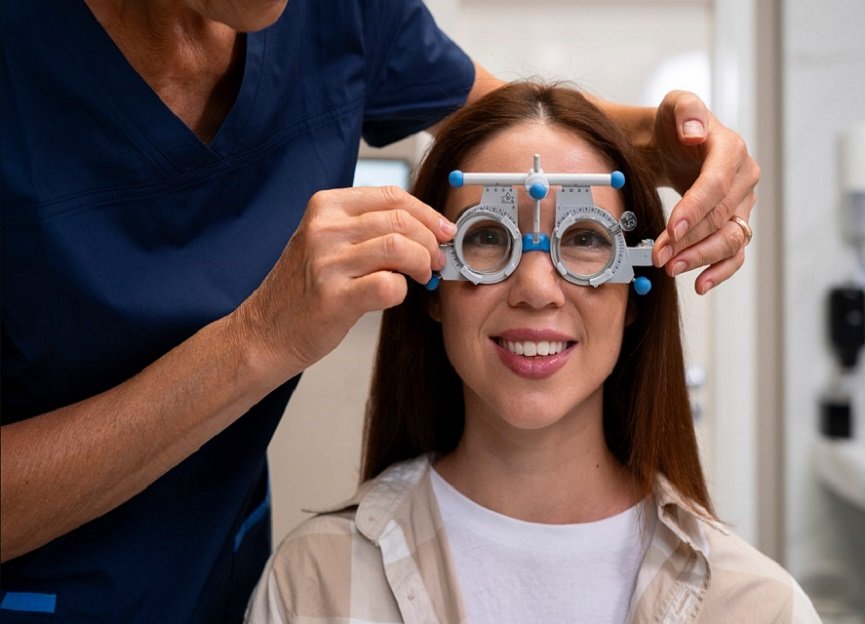
AIY Eye Care performs detailed corneal topography to measure safety.
4. Corneal Diseases (Keratoconus / Corneal Dystrophy)
If you have conditions like:
-
Keratoconus
-
Irregular astigmatism
-
Corneal scars
-
Corneal dystrophies
LASIK is not allowed because it may worsen these problems.
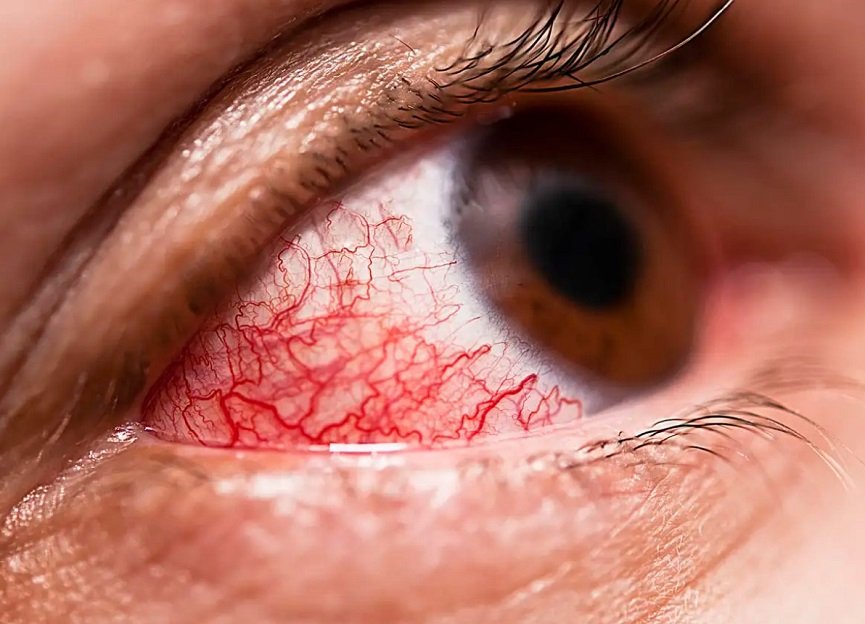
5. Severe Dry Eye Syndrome
If your tear film is poor, LASIK can make dryness worse.
Symptoms include:
-
Burning
-
Redness
-
Grittiness
-
Frequent blinking
AIY Eye Care treats dryness first before considering LASIK.
6. Pregnant or Breastfeeding Women
Hormonal changes during pregnancy and lactation can temporarily affect vision stability.
LASIK should be postponed until 3–6 months after breastfeeding ends.
7. Autoimmune Disorders
Patients with diseases such as:
-
Lupus
-
Rheumatoid Arthritis
-
Sjögren’s syndrome
may experience slow or improper healing after LASIK.
8. Uncontrolled Diabetes
Poorly managed diabetes affects healing ability.
LASIK may not be recommended unless sugar levels are well controlled.
9. Certain Eye Conditions
If you suffer from:
-
Glaucoma
-
Cataracts
-
Active eye infections
-
Herpes eye disease
-
Retinal disorders
LASIK is restricted for safety reasons.
The surgeon may recommend alternative treatments.
10. Those With Unrealistic Expectations
LASIK improves vision significantly, but:
-
It may not give “superhuman” vision
-
Age-related issues like presbyopia (reading glasses after 40) still occur
Counselling at AIY Eye Care Ghaziabad ensures you understand real outcomes.
What Happens If You’re Not a Candidate for LASIK? Here Are Safe Alternatives
Even if LASIK is not suitable, you still have excellent vision correction options.
1. PRK (Photorefractive Keratectomy)
Ideal for thin corneas, army/defence candidates, and certain lifestyle needs.
2. ICL (Implantable Collamer Lens)
Perfect for high powers (above −10 or +5), thin corneas, or dry eyes.
3. SMILE Laser Surgery
A flapless, advanced surgery suitable for many patients not eligible for LASIK.
4. Contact lenses or glasses
Still a safe and reliable option.
At AIY Eye Care, the surgeon checks your eye condition and suggests the safest procedure.
Why Choose AIY Eye Care in Ghaziabad for LASIK?
AIY Eye Care is one of the most trusted LASIK centres in Ghaziabad because of:
✔ Advanced diagnostic screening
Ensures only safe candidates undergo surgery.
✔ Experienced LASIK specialists
Trained in modern refractive surgery techniques.
✔ Latest-generation laser technology
For high precision, quick recovery, and painless treatment.
✔ Transparent guidance
You get honest advice—LASIK is recommended ONLY if your eyes are safe.
✔ High success rate
Thousands of satisfied, glasses-free patients.
Final Thoughts
LASIK is a life-changing procedure—but only when done on the right eyes.
Understanding who should not undergo LASIK is just as important as knowing its benefits.
If you’re considering LASIK Eye Surgery in Ghaziabad, visit AIY Eye Care for a complete, advanced, and honest evaluation. The team ensures that your vision correction journey is safe, effective, and personalised.