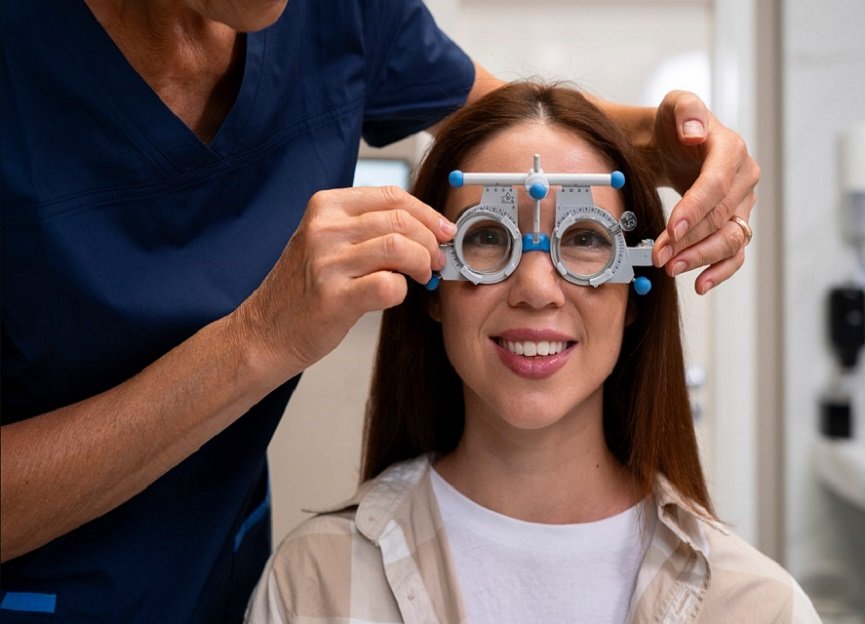

Cataracts are a natural part of aging, yet they can significantly impact your daily life, making simple activities like reading, driving, or recognizing faces increasingly difficult. Fortunately, modern cataract surgery offers a highly effective solution to restore clear vision and improve overall quality of life.
At AIY Eye Care, led by Dr. Vivek Kumar Jain, patients receive state-of-the-art care that focuses not only on removing the cataract but also on optimizing long-term eye health. Let’s explore everything you need to know about cataract surgery — how it works, the techniques available, benefits, recovery, and what makes this procedure life-changing.
What Exactly Are Cataracts?
A cataract occurs when the natural lens of your eye becomes cloudy, preventing light from passing clearly through to the retina. This cloudiness can gradually worsen, causing blurred vision, glare, and difficulty performing everyday tasks. Cataracts are most common among older adults, but they can also result from trauma, medical conditions like diabetes, prolonged exposure to sunlight, or certain medications.
Symptoms That Indicate Cataract Development
-
Blurred or cloudy vision
-
Difficulty seeing in low light or at night
-
Increased glare from sunlight or headlights
-
Halos around lights
-
Faded or yellowing of colors
-
Frequent changes in eyeglass prescription
If left untreated, cataracts can progress to severe vision impairment. Early consultation with a qualified eye specialist ensures timely intervention and better surgical outcomes.
Understanding Modern Cataract Surgery
Cataract surgery is a safe, common, and effective procedure aimed at removing the cloudy lens and replacing it with a clear artificial lens, known as an intraocular lens (IOL).
Key Types of Cataract Surgery:
-
Phacoemulsification (Phaco):
-
Uses ultrasound waves to break the lens into tiny fragments
-
Removes the cloudy lens through a small incision
-
Replaces it with a clear artificial lens
-
Minimally invasive, with a quick recovery
-
-
Laser-Assisted Cataract Surgery:
-
Uses precision lasers for incisions and lens removal
-
Improves accuracy in positioning premium IOLs
-
Reduces surgical risks and enhances visual outcomes
-
-
Premium IOLs (Multifocal or Toric Lenses):
-
Multifocal lenses correct near, intermediate, and distance vision
-
Toric lenses correct astigmatism
-
Reduces dependence on glasses post-surgery
-
Why Choosing the Right Surgeon Matters
The success of cataract surgery relies heavily on the surgeon’s expertise and experience. Dr. Vivek Kumar Jain at AIY Eye Care brings years of experience and a meticulous approach to each procedure. Personalized consultation, careful preoperative assessment, and tailored surgical plans ensure optimal vision restoration for every patient.
Benefits of Cataract Surgery
-
Clearer Vision: Restoration of sharp, vibrant vision
-
Improved Safety: Reduced risk of falls or accidents caused by poor vision
-
Enhanced Lifestyle: Greater independence in daily activities
-
Quick Recovery: Most patients resume normal activities within 1–2 days
-
Long-Lasting Results: Modern IOLs provide long-term clarity and comfort
Preparing for Surgery
Before surgery, a detailed eye examination is conducted to assess the type and severity of the cataract. Measurements are taken to select the best IOL for your eyes. Discussing your lifestyle, visual goals, and preferences ensures that the surgical plan is tailored to your needs.
What to Expect During and After Surgery
-
Surgery is usually performed under local anesthesia with mild sedation
-
A small incision allows the surgeon to remove the cloudy lens and implant the IOL
-
Most procedures take less than 30 minutes per eye
-
Vision typically improves within a day, though some patients notice gradual enhancement over a few weeks
-
Eye drops and follow-up appointments ensure proper healing and prevent infection
Common Risks and Complications
Although cataract surgery is highly safe, some potential risks include:
-
Temporary irritation or redness
-
Light sensitivity or minor swelling
-
Infection (rare)
-
Displacement of the implanted lens (very rare)
With expert care at AIY Eye Care, the risk of complications is minimized, and outcomes are consistently excellent.
Frequently Asked Questions (FAQs)
1. Is cataract surgery painful?
No, local anesthesia ensures the procedure is virtually painless.
2. How long is the recovery period?
Most patients can resume light activities within a day, while heavy physical activities should be avoided for 5–7 days.
3. Will I still need glasses?
Premium IOLs reduce or eliminate the need for glasses, though some patients may still require them for fine tasks.
4. Can cataracts return after surgery?
No, the natural lens is removed permanently. However, in rare cases, the lens capsule may become cloudy, which can be treated with a simple laser procedure.
5. Can cataract surgery improve overall eye health?
Yes, addressing cataracts early can prevent further visual deterioration and help maintain healthy eye function.
Conclusion
Cataract surgery is more than just vision correction — it’s a pathway to renewed independence, safety, and quality of life. With advanced surgical techniques, personalized care, and expert guidance from Dr. Vivek Kumar Jain at AIY Eye Care, patients can experience clear, vibrant vision and long-term eye health.
If you or someone you love is experiencing vision changes due to cataracts, scheduling a consultation at AIY Eye Care is the first step toward seeing the world more clearly and confidently.
Read More
✅ Latest Technologies in LASIK Surgery: What’s Available in Indirapuram Ghaziabad?
✅ Selecting the Right LASIK Surgeon in Vasundhara Ghaziabad
✅ Signs You Need Cataract Surgery: When to See a Motiyabind Specialist in Vaishali Ghaziabad
✅ How to Choose the Best Eye Specialist in Indirapuram
✅ Everything You Need to Know About AIY Eye Care
✅ What is the Difference between Phaco and Laser Cataract Surgery?
✅ Best Refractive Surgery in Indirapuram Ghaziabad: Is Laser Eye Surgery 100% Safe?
✅ Refractive Eye Surgery: What is the Most Common Refractive Surgery?
✅ IOL Surgery: What is an IOL Surgery?
✅ Best Motiyabind Operation Clinic in Ghaziabad: What is the Cost of Motiyabind Operation?
✅ Best Lasik Surgery in Ghaziabad: Which Type of LASIK Surgery is the Best?