Cataracts are one of the most common eye conditions affecting people across the world, especially individuals above the age of 50. In a busy and growing city like Ghaziabad, the number of people seeking clarity about cataracts, early symptoms, and advanced treatment options is rising every year. At AIY Eye Care, we believe that informed patients make the best decisions — and this detailed guide has been created to help you understand cataracts deeply, especially the three main types that most people are diagnosed with.
Whether you are exploring cataract symptoms, researching treatment options, or preparing for cataract surgery in Ghaziabad, this article will help you understand everything with unmatched clarity.
Understanding Cataracts: A Deep Dive for Patients
A cataract is the clouding of the natural crystalline lens of the eye. This lens sits behind the iris and focuses light onto the retina. When the lens becomes cloudy, light cannot pass through clearly, leading to blurred, dim, or distorted vision.
Common Symptoms of Cataracts Include:
-
Cloudy or foggy vision
-
Glare and halos around headlights
-
Poor night vision
-
Faded or yellowish colours
-
Difficulty reading small print
-
Frequent changes in spectacle power
-
Double vision in one eye
These symptoms may start mild and slowly worsen over time. Early cataracts can go unnoticed for months or even years.
Why Do Cataracts Occur?
Cataracts can form due to several factors:
1. Ageing (Most Common Cause)
Natural wear and tear leads to protein build-up in the lens.
2. Diabetes
High blood sugar accelerates lens clouding.
3. Prolonged UV Exposure
Sunlight damages the proteins in the lens.
4. Steroid Use
Long-term steroid medication can lead to faster cataract formation.
5. Eye Injury or Inflammation
Trauma to the eye can trigger cataracts early.
6. Genetic Predisposition
Some individuals are simply more prone to early cataract development.
7. Lifestyle Factors
Smoking, alcohol, and poor dietary habits increase risk.
Understanding the cause helps your surgeon at AIY Eye Care Ghaziabad recommend the right treatment plan.
The Three Main Types of Cataracts Explained in Detail
Although cataracts have multiple classifications, the three primary types diagnosed in most patients are:
✔ Nuclear Sclerotic Cataract
✔ Cortical Cataract
✔ Posterior Subcapsular Cataract (PSC)
Let’s explore each type comprehensively.
1. Nuclear Sclerotic Cataract – The Most Common Type
This type begins at the centre (nucleus) of the lens and slowly expands outward.
Characteristics:
-
Gradual hardening and yellowing of the central lens
-
Blurred distance vision
-
Slight improvement in near vision initially (“second sight”)
-
Colour perception becomes yellowish or brownish
Progression Speed:
Slow — often over many years.
Who Is More Likely to Develop It?
-
Individuals between 50–70 years
-
People with prolonged sunlight exposure
-
Smokers
Impact on Vision:
Distance vision fades gradually, making driving and recognising faces difficult. Night vision becomes increasingly poor.
2. Cortical Cataract – The Spoke-Like Cataract
This type forms in the outer layer (cortex) of the lens and expands inward.
Characteristics:
-
Wedge-shaped or spoke-like white streaks
-
Significant glare, especially during night driving
-
Reduced contrast sensitivity
-
Vision fluctuates depending on lighting
Progression Speed:
Moderate — worsens faster in diabetic patients.
Who Is at Greater Risk?
-
People with diabetes
-
Individuals with prolonged dehydration
-
Those exposed to UV rays frequently
Impact on Vision:
Patients usually complain of "seeing through streaks" and inability to read or drive comfortably under bright light.
3. Posterior Subcapsular Cataract (PSC) – The Fastest Growing Type
This is a more aggressive cataract that forms at the back of the lens capsule.
Characteristics:
-
Rapid vision deterioration
-
Difficulty reading small print
-
Extreme glare in sunlight
-
Trouble driving at night
-
Halos around lights
Progression Speed:
Fast — often noticeable within months.
Who Is More Vulnerable?
-
Younger adults
-
Diabetic patients
-
Those on steroid medication
-
People with chronic eye inflammation
Impact on Vision:
Activities such as reading, using mobile screens, or working under bright lights become very challenging.
Why Does Identifying the Type of Cataract Matter?
At AIY Eye Care Ghaziabad, identifying the type of cataract helps customise your treatment plan. Each cataract type affects different parts of the lens and impacts vision differently.
Benefits of Early Identification:
-
Accurate timing of surgery
-
Selection of the best intraocular lens (IOL)
-
Prevention of complications
-
Better visual outcomes
-
Faster recovery
Identifying the exact type ensures that your cataract surgery is precise and personalised.
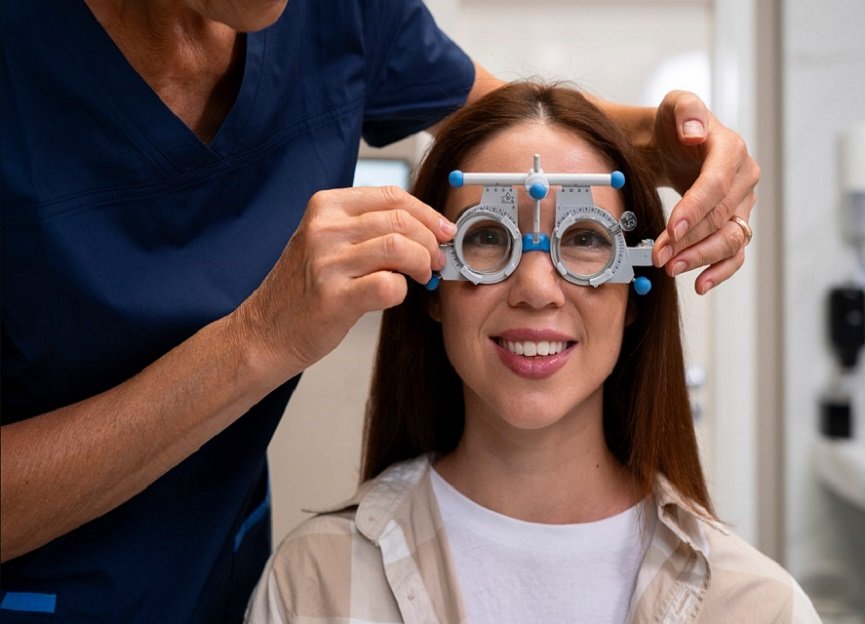
How Cataracts Are Diagnosed at AIY Eye Care
Our comprehensive evaluation includes:
1. Visual Acuity Test
Checks clarity of vision at various distances.
2. Slit Lamp Examination
Allows your doctor to examine different layers of the lens.
3. Retina and Optic Nerve Check
Ensures no hidden retinal diseases are affecting vision.
4. Biometry / IOL Power Calculation
Measures the eye to determine which lens implant suits you best.
5. Glare Testing
Analyzes how light affects your daily activities.
This thorough diagnosis ensures the safest and most effective cataract treatment.
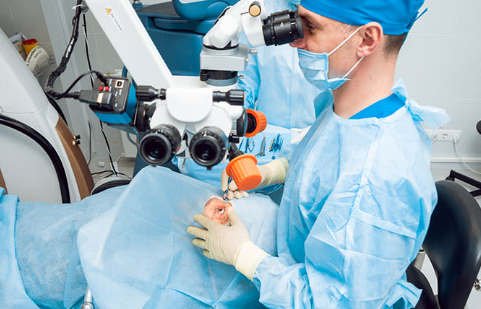
Cataract Surgery at AIY Eye Care Ghaziabad – Step-by-Step
Cataract surgery is one of the most advanced, safe, and effective procedures available today. At AIY Eye Care, we ensure a smooth, painless, and precise experience using modern microsurgical techniques.
Step 1: Pre-Surgery Evaluation
-
Complete eye examination
-
Medical history evaluation
-
Choice of IOL based on lifestyle
Step 2: Micro-Incision Phacoemulsification (Modern Surgery)
We use an ultrasonic phaco probe to break the cataract into tiny fragments and gently remove it.
Benefits:
-
No stitches
-
No bandages
-
No hospital admission
-
Extremely quick recovery
Step 3: IOL Implantation
A clear artificial lens (IOL) is placed where the natural lens used to be.
Types of IOLs Offered at AIY Eye Care:
-
Monofocal IOL: Clear distance vision
-
Multifocal IOL: Distance + near vision without glasses
-
Toric IOL: Corrects astigmatism
-
EDOF Lens: Extended depth of focus for a natural range of vision
Choosing the right IOL improves your long-term vision quality significantly.
Step 4: Post-Surgery Recovery
Most patients notice improvement within 24–48 hours.
Post-operative Benefits:
-
Brighter, sharper vision
-
No stitches or bandage
-
Resume normal routine quickly
-
Minimal restrictions
At AIY Eye Care, we provide detailed follow-up care to ensure smooth healing.
Lifestyle Tips to Prevent or Slow Cataracts
While cataracts cannot always be prevented, healthy choices can slow progression.
✔ Wear UV-protected sunglasses
✔ Eat antioxidant-rich foods (Leafy greens, nuts, berries)
✔ Manage diabetes properly
✔ Quit smoking and limit alcohol
✔ Get regular eye check-ups after age 40
Regular screening ensures early detection and easier management.
Why Choose AIY Eye Care for Cataract Surgery in Ghaziabad?
✓ Highly Experienced Surgeons
Skilled in advanced phaco and laser-assisted techniques.
✓ Latest Technology & Equipment
Modern microscopes, phaco systems, and diagnostic tools.
✓ Customised Treatment Plans
We match the treatment to your lifestyle, eye condition, and expectations.
✓ Transparent Pricing
No hidden charges — complete clarity.
✓ Quick, Pain-Free Procedure
Most surgeries finish within 10–15 minutes.
✓ Excellent Post-Operative Care
Your comfort and recovery are our top priorities.
AIY Eye Care is committed to delivering world-class cataract care right here in Ghaziabad.
Final Words: Restore Your Vision, Restore Your Confidence
The three types of cataracts — nuclear, cortical, and posterior subcapsular — may progress differently, but the solution is the same: timely diagnosis and modern cataract surgery. With advanced surgical technology and an expert team, AIY Eye Care Ghaziabad ensures you receive the safest, most comfortable, and most effective treatment.
If you’ve been noticing blurred vision, glare, or difficulty in daily tasks, it may be time to schedule an eye evaluation.