Complete Guide to Eye Care for All Ages
Our eyes are one of the most precious sensory organs — windows to the world that connect us to everything we experience. Good vision empowers us to learn, work, play, and enjoy life fully. Yet, eye care is something most of us overlook until a problem arises.
At Aiy Eye Care, located in Vaishali, Ghaziabad, Shahdara, East Delhi, we understand how much your vision means to you and your family. That’s why we’ve created this complete eye care guide, designed for every age group — from infants and children to adults and seniors — with practical tips, expert insights, and preventative strategies to protect your eyesight for a lifetime.
Why Eye Care Matters at Every Age
Your vision needs change throughout life. Taking care of your eyes early and consistently can prevent many common issues and help you maintain clear sight for years. Here’s how eye care evolves by life stage:
1. Eye Care in Infancy and Childhood
Children grow rapidly, and so do their visual systems. Good vision is central to learning and development — especially during school years.
Common Childhood Eye Issues
-
Refractive errors (nearsightedness, farsightedness, astigmatism)
-
Lazy eye (amblyopia)
-
Crossed eyes (strabismus)
-
Color vision deficiency
How to Protect Your Child’s Vision
-
Schedule their first eye exam by 6 months of age.
-
Check again before school starts, and regularly after.
-
Encourage outdoor play — it supports healthy eye growth.
-
Limit screen time and ensure ergonomic viewing distances.
-
Look out for signs like squinting, eye rubbing, or sitting too close to screens.
Tip: Early detection and intervention can make a world of difference in visual development.
2. Eye Care for Teens and Young Adults
The teenage years often mean more screen time — from schoolwork to gaming and social media. This increases the risk of digital eye strain.
Eye Concerns Common in This Age Group
-
Digital eye strain
-
Progression of refractive errors
-
Dry eyes
Helpful Practices
-
Follow the 20-20-20 rule: Every 20 minutes, look at something 20 feet away for 20 seconds.
-
Maintain proper lighting while reading or using devices.
-
Wear protective eyewear during sports and activities.
-
Eat a balanced diet rich in vitamins A, C, E, and omega-3 fatty acids.
3. Adult Eye Care — In Your 30s, 40s, and 50s
As we grow older, changes take place in the lenses and muscles of the eyes.
Common Adult Eye Changes
-
Presbyopia — difficulty focusing on close objects (often begins in the early 40s)
-
Dry eye syndrome
-
Age-related eye strain
Look After Your Vision With These Tips
-
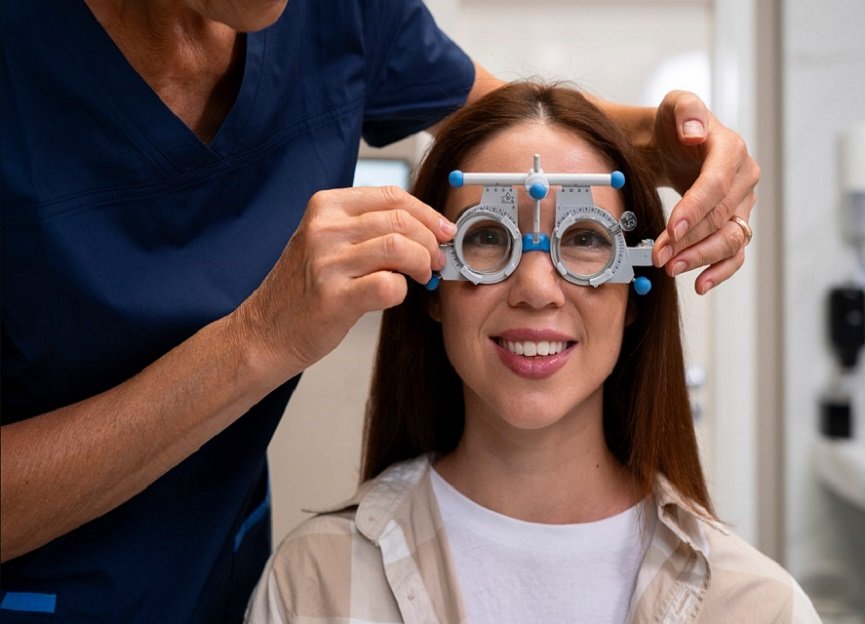
Get a comprehensive eye exam at least every 2 years — more often if advised.
-
Monitor eye changes like blurred vision or frequent headaches.
-
Wear sunglasses with UV protection.
-
Take regular breaks from screens.
-
Maintain overall health — conditions like diabetes and hypertension can affect vision.
4. Eye Care in Seniors (60+)
Older adults are at higher risk for more serious eye conditions that can impact vision and quality of life.
Age-Related Eye Conditions
-
Cataracts
-
Glaucoma
-
Age-related macular degeneration (AMD)
-
Diabetic retinopathy
How to Preserve Vision Later in Life
-
Annual comprehensive eye exams.
-
Ask about tests for glaucoma and macular health.
-
Control systemic diseases like diabetes and high blood pressure.
-
Eat a nutrient-rich diet and stay physically active.
Note: Early detection of these conditions often means more effective treatment and preserved vision.
Everyday Tips for Lifelong Eye Health
Here are universal eye care practices everyone should adopt:
Protective Eyewear
-
Wear safety goggles during home projects or sports.
-
Use blue-light filtering lenses if heavy screen use is unavoidable.
Nutrition and Hydration
Your eyes need nutrients to function well:
-
Leafy greens (spinach, kale)
-
Carrots and sweet potatoes
-
Fish rich in omega-3s (salmon, sardines)
-
Hydrate generously throughout the day
Digital Wellness
-
Position your screen at eye level.
-
Adjust contrast and brightness to comfortable levels.
-
Take frequent breaks — eyes are not designed for continuous screen activity.
Healthy Habits
-
Quit smoking — it increases the risk of cataracts and AMD.
-
Manage stress — it affects sleep and eye comfort.
-
Prioritize sleep — well-rested eyes perform better.
How Aiy Eye Care Can Help You
At Aiy Eye Care, we believe in compassionate, patient-centric care supported by the latest technology. Whether it’s a routine eye exam, children’s vision evaluation, treatment of eye disease, or advanced surgical care — we’re here for you and your family.
Our Services Include:
✔ Comprehensive eye examinations
✔ Pediatric eye care
✔ Contact lens fitting
✔ Treatment of refractive errors
✔ Cataract evaluation and surgery
✔ Glaucoma screening and management
✔ Management of dry eyes
✔ Retina and macula care
Our team treats you like family — understanding your needs, answering every question, and guiding you at every step of your eye care journey.
When Should You See an Eye Specialist?
Seek professional eye care if you experience:
-
Sudden vision changes
-
Persistent eye pain
-
Light sensitivity
-
Frequent headaches associated with vision
-
Double vision
-
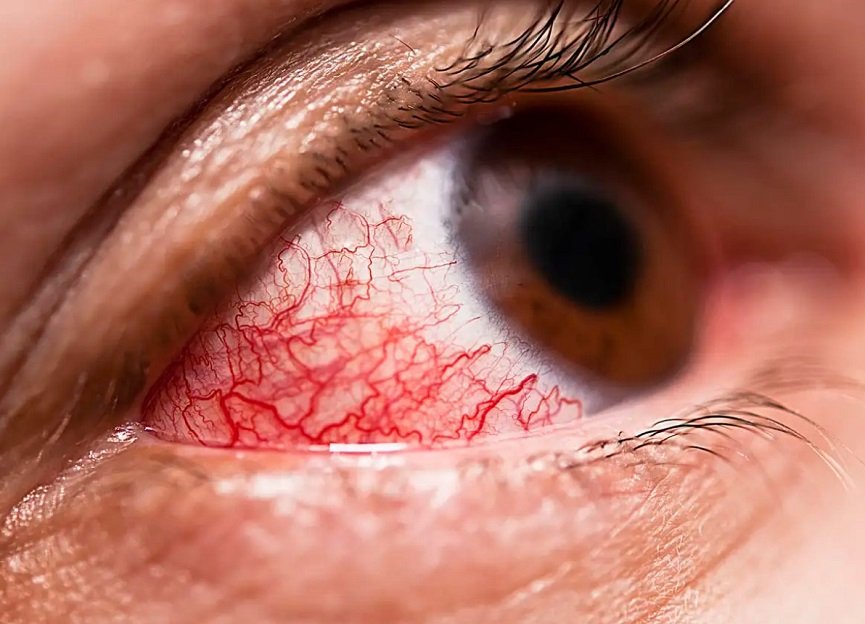
Redness or discharge from the eyes
Even if you don’t have symptoms, regular eye exams are essential — many eye conditions begin silently, without obvious signs.
Frequently Asked Questions
Q: How often should adults get their eyes checked?
A: Generally every two years, but more often if you have vision complaints or health conditions like diabetes.
Q: Can eye strain cause permanent damage?
A: No, eye strain doesn’t cause permanent damage — but it can significantly affect comfort, productivity, and quality of vision.
Q: Is screen time harmful to children’s eyes?
A: Excessive screen time can contribute to eye strain and dry eyes — balanced activities, breaks, and eye-friendly habits help protect visual health.